



Published: 2026-06-25 01:43:10 Author: Editorial Team Click量:
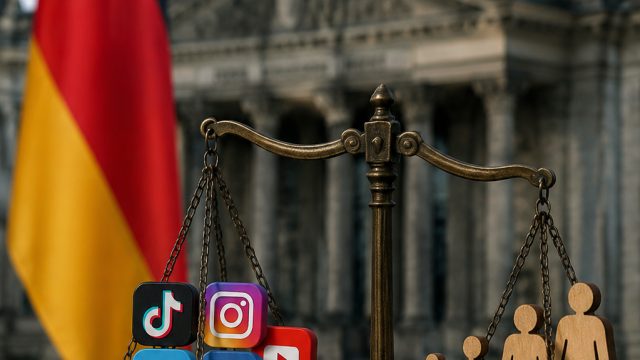
In a significant move towards enhancing online safety for youth, Germany’s Family Minister, Karin Prien, has advocated for a legal minimum age of 13 for the independent use of popular social media platforms. This proposal has sparked a wide-ranging discussion about the implications of social media on the younger generation.
The call for a minimum age requirement stems from ongoing concerns regarding the detrimental effects of social media on children. Minister Prien emphasized that while the internet offers valuable opportunities, it also poses risks that can adversely affect young users' mental health and well-being. The proposed regulation aims to ensure that minors engage with social media in a safer environment.
The choice of age 13 is not arbitrary; it aligns with existing guidelines established by various organizations and platforms. This age has long been recognized as a threshold for allowing children to navigate digital spaces more independently while still under some parental guidance. Prien stated, "I believe that this is fundamentally the right approach," highlighting her commitment to protecting youth.
Currently, young users in Germany can access most social media platforms without stringent age verification. As platforms like TikTok, Instagram, and Snapchat increasingly dominate social interactions among youth, the lack of regulations invites serious questions about child safety online.
This proposal is part of a larger trend across Europe to safeguard children in the digital age. As countries grapple with the realities of online interaction, many are reconsidering how to balance freedom of expression with the safety of minors. Germany’s initiative could serve as a catalyst for similar regulations in other EU nations.
While the introduction of age restrictions could enhance youth safety, it is not without challenges. Implementation of such rules would require robust verification processes, a task that may prove difficult for many social media companies. Additionally, there are concerns about the efficacy of these measures, as determined young users may find ways to circumvent age verification.
The proposal has garnered mixed reactions from the public and industry stakeholders. Parents largely support steps to protect their children, but some social media advocates argue that education about safe online practices could be more effective than imposing age limits. As the discussion continues, the implications of this proposal could shape how social media operates in the future.
The proposed minimum age of 13 for social media use in Germany signifies a proactive measure in response to growing concerns regarding youth safety online. As countries navigate the complexities of digital interactions, Germany's initiative might well set the stage for a more responsible and safer online environment for future generations.
Contact Us
contact us
Address:No. 88, Tianhe District, Guangzhou City, Guangdong Province

Phone:400-123-4567

Click the icon to leave a message online and we will reply promptly