



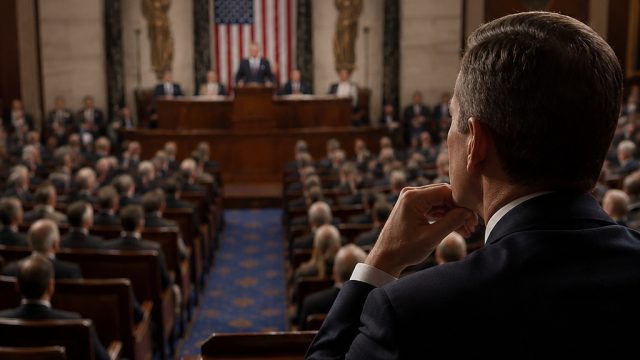
Congress Takes Bold Step to Reassess Military Powers Amid Global Tensions
In a historic move, Congress has passed a war powers resolution aimed at limiting the President's military authority regarding conflicts with Iran. This decision comes at a time when the geopolitical climate is fraught with uncertainty, raising questions about the future of U.S. military engagements abroad. The recent vote marks the first significant pushback against executive military action in over two decades, emphasizing the legislative branch's role in foreign affairs.
Understanding the War Powers Resolution
The war powers resolution, enacted in the early 1970s, was designed to ensure that Congress retains the authority to declare war and oversee military actions. By passing this measure, Congress is asserting its constitutional responsibilities at a critical juncture. The resolution requires the President to seek congressional approval for military actions lasting more than 60 days, reflecting a renewed commitment to checks and balances.
Historical Context
The backdrop of this resolution is essential for understanding its significance. Following the Vietnam War, Congress felt the need to curb the executive branch's military powers. However, in recent years, there has been a trend towards increased presidential authority in military matters. This current vote signifies a shift back toward legislative oversight, which is particularly relevant given the ongoing tensions with Iran.
The Implications for U.S. Foreign Policy
As global tensions rise, particularly with nations like Iran, the implications of this resolution could be far-reaching. It signifies a potential shift in U.S. foreign policy, where legislative input may play a more central role in military decisions. This change is crucial, as it may alter how the U.S. engages in international conflicts, pushing for more diplomatic solutions rather than military interventions.
Potential Consequences
- Increased Congressional Oversight: Lawmakers are likely to scrutinize military actions more closely, leading to a greater debate about the purpose and duration of conflicts.
- Impact on Military Alliances: This shift could affect how the U.S. collaborates with allies, as partners may seek assurance that military engagements align with broader political consensus.
- Public Opinion: With rising public awareness and debate over military actions, this resolution may reflect and amplify citizens' desires for more accountability.
Current Political Landscape
The passage of this resolution highlights a divided political landscape in the U.S. While many lawmakers support reevaluating military powers, others argue that it undermines the President's ability to respond swiftly to threats. This ideological divide could shape future legislation, influencing how the U.S. navigates international relations.
Reactions from Lawmakers
Lawmakers have expressed varying opinions on the resolution:
- Supporters: Advocates argue that restoring congressional authority is essential for democracy and peace, emphasizing that military intervention should not be a unilateral decision.
- Opponents: Critics warn that limiting presidential authority may hinder national security, particularly in unpredictable geopolitical climates.
Conclusion: A Call for Accountability
The recent passage of the war powers resolution by Congress is a pivotal moment that reflects a growing desire for accountability in U.S. military actions. As global tensions continue to evolve, this legislative measure may serve as a blueprint for future military engagements, advocating for a more collaborative approach between the executive and legislative branches. Moving forward, it will be essential to observe how this resolution influences U.S. foreign policy and military strategy in a rapidly changing world.


