



Published: 2026-06-24 10:57:08 Author: Editorial Team Click量:
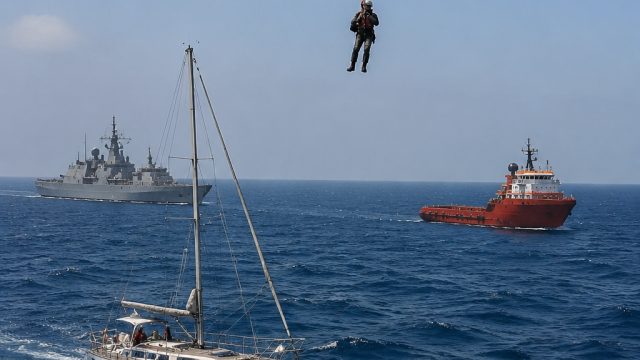
In a critical maritime crisis, the United Nations has announced an extensive evacuation plan aimed at assisting more than 11,000 sailors stranded in the strategic waters of the Strait of Hormuz. This development comes amid growing international concern regarding the safety of maritime operations in one of the world's busiest shipping lanes.
For months, shipping activities in the Strait of Hormuz have been significantly disrupted due to various geopolitical tensions and logistical challenges. The strait, which connects the Persian Gulf to the Gulf of Oman, is a critical transit point for a significant percentage of the world's oil supply. As a result, disruptions in this area not only threaten the sailors but also have the potential to impact global energy markets.
The ongoing situation poses a severe threat to international shipping and trade. With approximately 20% of the world’s oil supply passing through this narrow corridor, any prolonged disruption could lead to increased oil prices and affect various sectors dependent on maritime transport. The UN's evacuation plan is crucial in restoring some level of normalcy in this vital trade route.
The UN's humanitarian operation aims to ensure the safe return of sailors who have been unable to leave their vessels, with many facing food and water shortages. This emergency intervention will involve coordination with multiple stakeholders, including maritime organizations, government agencies, and shipping companies.
The urgency of this situation cannot be overstated. As tensions rise in the region, the safety of maritime operations remains precarious. This evacuation not only addresses the immediate needs of the stranded sailors but also serves as a critical reminder of the vulnerabilities inherent in international shipping. The global shipping industry is interconnected, and instability in one area can have ripple effects worldwide.
If the situation in the Strait of Hormuz does not stabilize, the implications could be severe. Increased insurance rates for shipping, delays in cargo deliveries, and a surge in fuel prices could emerge. Moreover, prolonged unrest could drive shipping companies to reconsider their routes, potentially favoring alternatives that may not be as economically viable.
The UN’s timely intervention in evacuating the stranded sailors is a critical step in addressing this maritime crisis. As the global community watches closely, the outcomes of this situation will likely influence maritime policies and regulations moving forward. Ensuring the safety of sailors and restoring confidence in maritime operations are essential not only for those directly involved but for the world economy at large.
Contact Us
contact us
Address:No. 88, Tianhe District, Guangzhou City, Guangdong Province

Phone:400-123-4567

Click the icon to leave a message online and we will reply promptly